
The page you have requested was not found. Please use the links provided to find the page you are looking for.
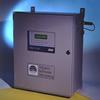
The Protoc 300 TOC is a continuous on-line analyser designed for process and industrial effluent discharge monitoring applications and is provided with MCERTS accreditation.
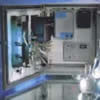
The Protoc TL analyser is a trace level TOC analyser used for continuous monitoring of water and pure water production associated with the semi-conductor and pharmaceutical industry.
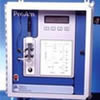
The Proam analyser provides continuous water quality measurement on effluent and is also installed to monitor river water quality, to protect drinking water production.
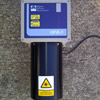
The OFD-1 is installed to monitor surface water quality and the discharge of cooling water to river by monitoring for an oil film floating on the water surface.
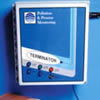
The Terminator is an automatic valve system which uses an inflatable bladder to isolate piped discharge and is remotely controlled by a water quality monitor, fire alarm system or by a building management system.